
What to Do If Your Car Turns Off While Driving

Imagine cruising down the highway, music playing, and suddenly, your car just decides to quit on you. It’s a jarring experience that can make your heart race, especially if you’re in the fast lane. But don’t panic! There are steps you can take that will help you handle this situation like a pro.

In this article, we’re diving into the steps to take if your car turns off while driving. It’s more relevant than you might think, considering that vehicle breakdowns happen to almost everyone at least once. You’ll learn what immediate actions to take, how to safely navigate the situation, and tips for preventing such occurrences in the future.

Understanding Why Your Car Stalled

When your car turns off unexpectedly, it’s usually due to a mechanical or electrical issue. Knowing some common causes can help you address the situation more effectively.

Common Reasons Your Car Might Stall

Understanding what could cause your engine to stop suddenly can assist you in diagnosing potential problems before they escalate:

  • Fuel Issues: Running low on fuel is more common than you’d think, and if you’re driving on empty, the fuel pump may not be able to deliver the necessary fuel to the engine.
  • Battery Problems: A dying battery can lead to electrical failures, impacting critical systems in your vehicle.
  • Electrical System Failures: Faulty wiring or issues with the alternator can disrupt your vehicle’s function.
  • Overheating: If your engine overheats, your vehicle may shut down to prevent serious damage.
  • Transmission Issues: Transmission failures or fluid problems can disrupt power to the engine.
  • Being aware of these issues can not only help you stay calm but also facilitate better communication with professionals when your car needs repairs.

    Immediate Steps to Take When Your Car Turns Off

    If your vehicle has turned off while driving, follow these immediate steps to ensure your safety and the safety of those around you.

    1. Stay Calm and Assess the Situation

    It’s easy to panic when your car suddenly stalls. Take a deep breath and focus on the road ahead.

    2. Signal and Move to the Side

    As soon as you notice your car stalling, turn on your hazard lights to alert other drivers. If possible, steer your vehicle to a safe area, such as the shoulder of the road, parking lot, or roadside.

    3. Avoid Stopping in High-Traffic Areas

    If you can help it, steer clear of stopping directly in high-traffic zones or curves, as this can increase the risk of accidents.

    4. Roll Down Windows and Turn Off the Engine

    Once parked safely, roll down your windows to improve air circulation and turn off the engine completely, which can prevent further issues.

    5. Call for Assistance

    This is the moment when you might want to reach out to roadside assistance. Whether it’s a trusted service or a family member, having someone to help you can be invaluable.

    Diagnosing the Problem

    While waiting for assistance, try to diagnose what could have gone wrong. This can help when explaining the issue to the mechanic.

    1. Check Fuel Levels

    If you’re in a safe position to do so, check if your fuel gauge shows empty. Sometimes a simple oversight can lead to a stall.

    2. Look for Warning Lights

    Take notice of any warning lights on your dashboard. A check engine light could indicate something significant, while a battery warning might suggest electrical issues.

    3. Inspect for Obvious Damage

    Look around and underneath your vehicle for any visible damage or leaks. If you notice something obvious, document it for the mechanic.

    Preventive Measures to Avoid Future Stalls

    Once you’ve navigated this stressful experience, consider how you can mitigate the risk of future stalls.

    Regular Vehicle Maintenance

    Keeping your vehicle in good health is the best way to avoid unexpected breakdowns. Regularly scheduled maintenance can catch minor issues before they become major problems.

  • Schedule Routine Inspections: Regular check-ups can help maintain critical systems including brakes, fuel, and electrical systems.
  • Monitor Fluid Levels: Regularly check oil, transmission fluid, coolant, and brake fluid.
  • Battery Health Check: Keep an eye on your battery life, especially in extreme weather conditions.
  • Drive Smart

    Practicing attentive driving and being mindful of your vehicle’s behaviors can help you avoid critical issues.

  • Stay Aware of Gauges: Keep an eye on your fuel levels, temperature gauges, and other critical indicators.
  • Listen to Your Car: If your car starts making unusual sounds, don’t ignore them.
  • What to Do If You Are Stranded

    Sometimes, despite our best efforts, we may find ourselves stranded after vehicle issues. Here’s a checklist to help you manage this sticky situation:

    1. Stay with Your Vehicle

    If it’s safe, remain inside your vehicle until help arrives. Your car provides protection from traffic and harsh weather.

    2. Signal for Help

    Use emergency roadside flares, reflectors, or your hazard lights to warn other drivers.

    3. Keep Emergency Supplies Ready

    Having emergency supplies like water, blankets, and a fully charged phone can make a big difference in a tricky situation.

    4. Call for Help

    Contact roadside assistance or a towing service, and provide them with your exact location for quick response times. You might want to consider reputable services like AAA or local towing companies.

    When to Consider Towing

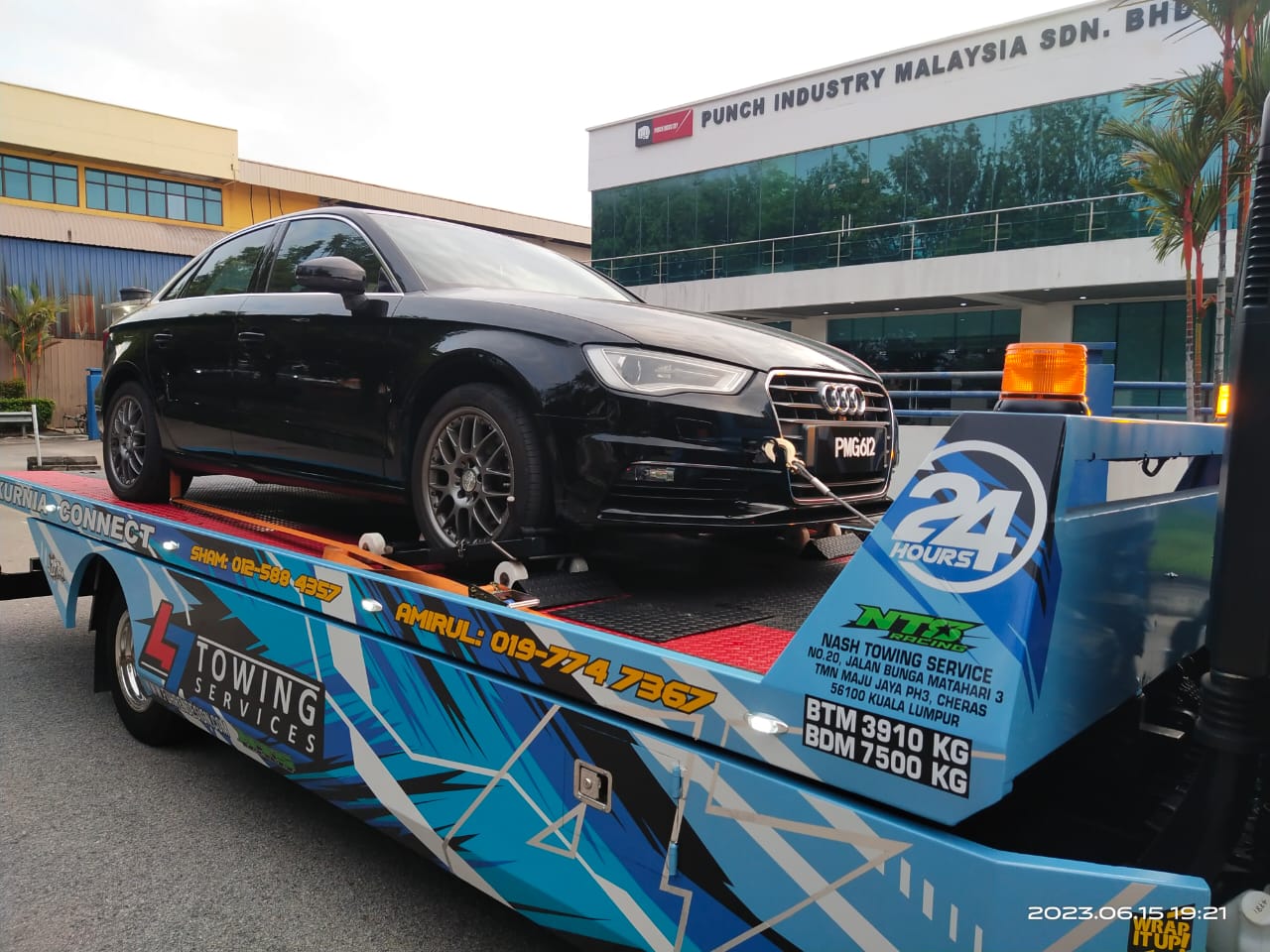
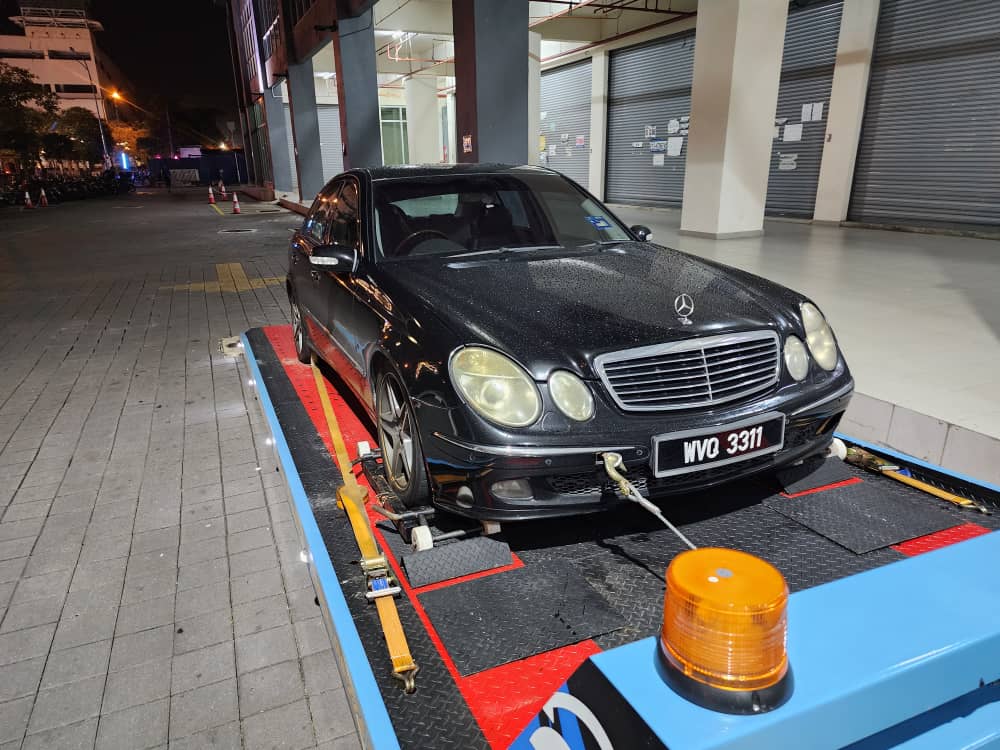
    There are situations where it’s safer and more efficient to have your vehicle towed rather than attempting to drive it.

  • Significant Mechanical Failures: If your engine fails catastrophically, driving it further can cause more damage.
  • Flat Tire Without a Spare: If you don’t have the means to repair it, calling for a tow truck is the best option.
  • Locked Out of Your Vehicle: If you’ve locked your keys inside, a professional can help.
  • Having a reliable towing service on speed dial can be a lifesaver.

    Conclusion: Staying Prepared for the Unexpected

    While it’s never pleasant to deal with your car turning off unexpectedly, being educated on the causes and knowing how to respond can make the experience less daunting. By staying calm, following the outlined steps, and adhering to preventive measures, you can enhance your chances of driving safely and avoiding more significant trouble down the road.

    Whether you’re an experienced driver or just learning the ropes, being prepared for vehicle issues can make all the difference in your peace of mind. Keep that driving confidence high, and remember to enjoy the journey!