Vehicle carrier & flatbed
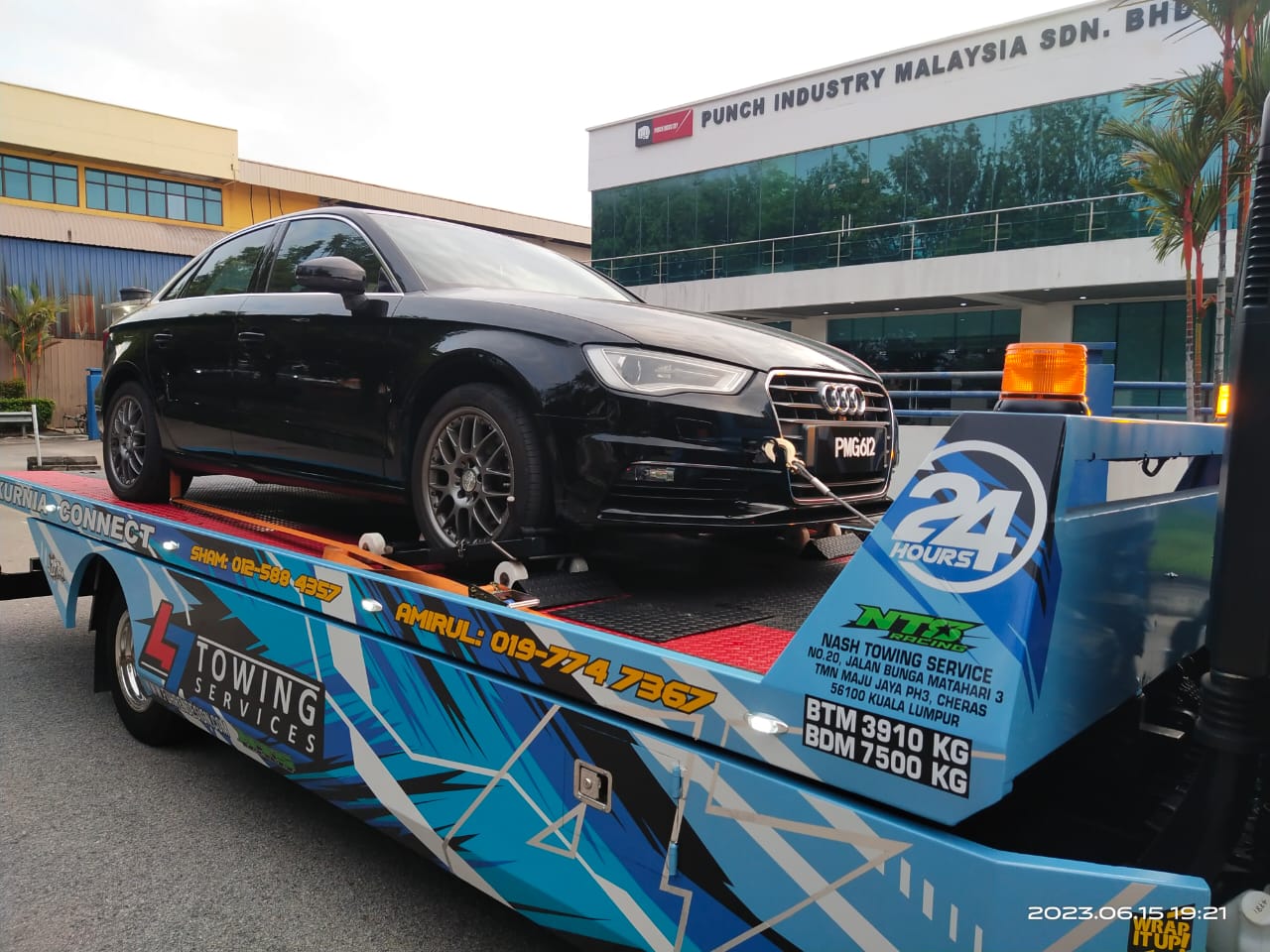
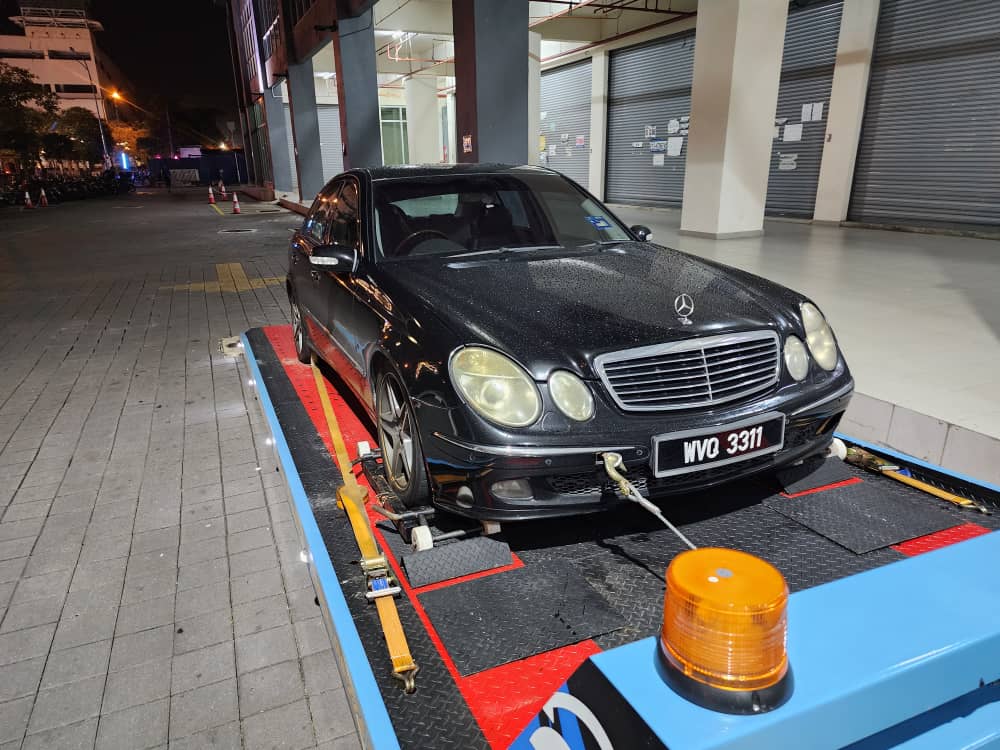
Secure carrier transport for cars, SUVs, vans and suitable light commercial vehicles, subject to size and truck capacity.
View carrier service →Fast, careful towing and roadside help wherever the road takes you across Peninsular Malaysia.
✓ Cars, SUVs & light commercial vehicles
From vehicle delivery to roadside recovery, our dispatch team matches the service and towing equipment to the job.
Secure carrier transport for cars, SUVs, vans and suitable light commercial vehicles, subject to size and truck capacity.
View carrier service →
Towing to your chosen workshop or another agreed destination when the vehicle cannot continue safely.
View breakdown service →
Help fitting a usable spare in a safe location, or towing to a tyre shop when a roadside change is not possible.
View tyre service →
Safe jump-start assistance and battery replacement support after the correct battery specification is confirmed.
View battery service →
Low-clearance recovery using compact wheel-lift and dolly equipment for tight parking areas.
View basement service →More ways we can help
Compare every service, including renewals, commercial delivery and roadside support.
↗From everyday Malaysian cars to premium vehicles and light commercial transport, dispatch chooses the towing method around the vehicle and its condition.
View client reference →
From city streets to long-distance highways, our coverage keeps help within reach.
A vehicle problem is stressful enough. We keep the next step simple, communicate clearly, and handle your vehicle with care.
Coverage throughout Peninsular Malaysia for both short and long-distance towing.
Flatbed, wheel-lift, dolly and tilt-deck capabilities for different situations.
Our lines stay open 24/7 on weekdays, weekends and public holidays.
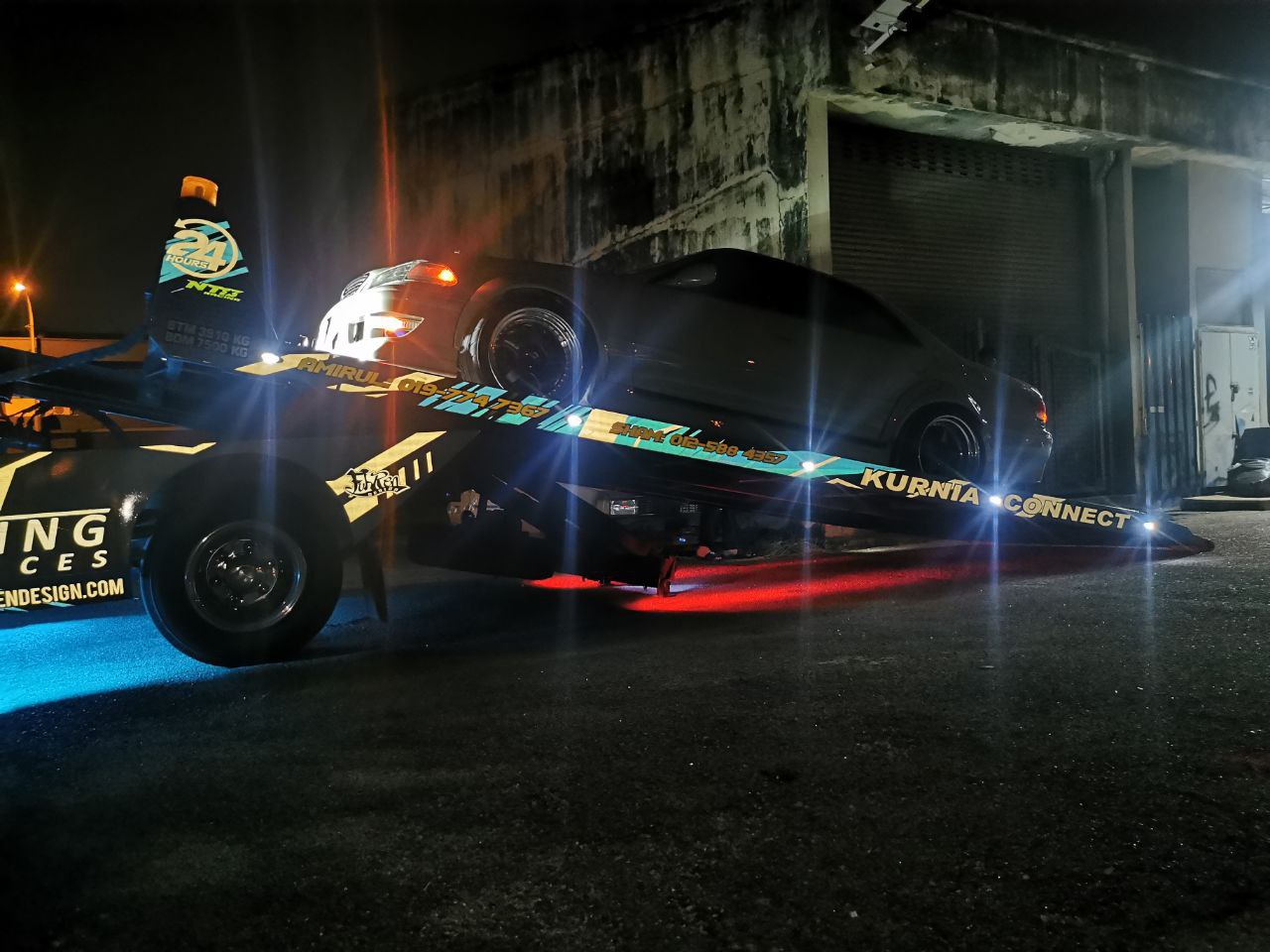
Original project photographs from 47 Towing’s fleet working across Malaysia.
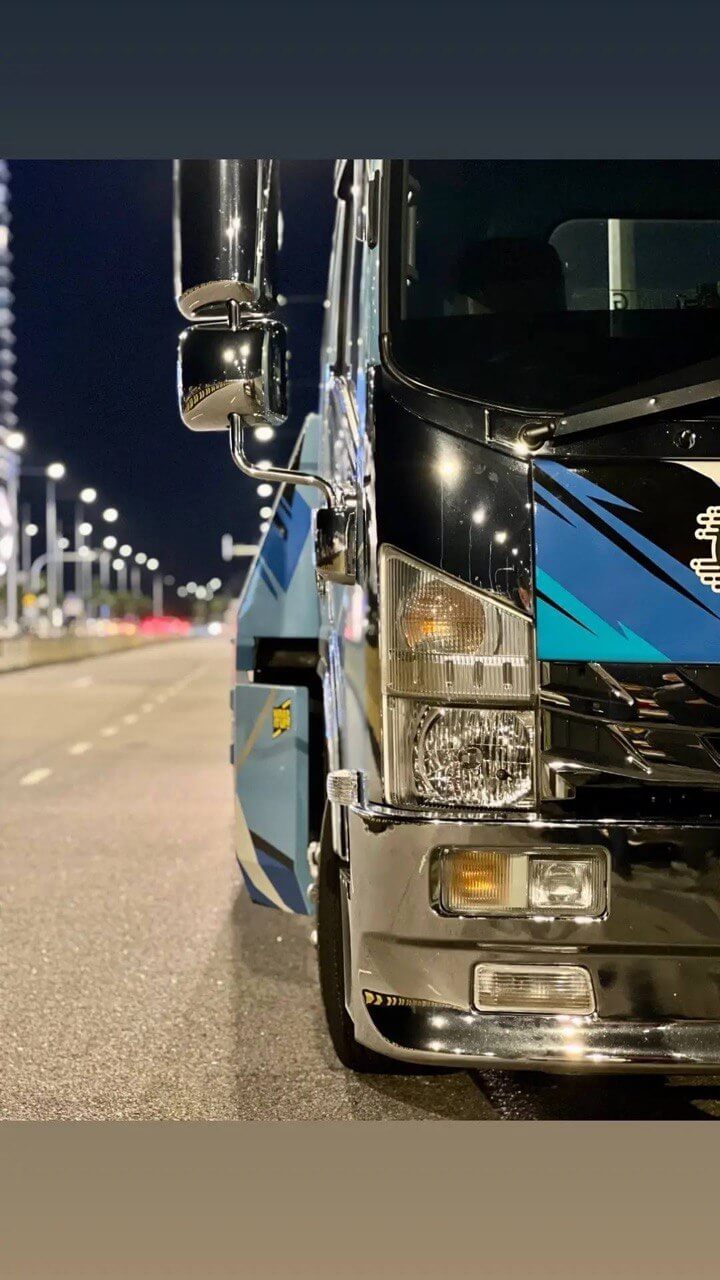
One call is all it takes. We coordinate the rest and keep you informed.
Send your live pin or nearest landmark.
Tell us your vehicle type and what happened.
The suitable truck heads to your location.
We transport your vehicle to the destination.
Based in Penang and connected across Peninsular Malaysia, we support local emergencies and long-haul vehicle transport.
Check availability in your area →Send the details below through WhatsApp. For an immediate road emergency, call our hotline directly.
Stranded right now?